Condo maintenance and sinking fund fees in Petaling Jaya, explained
By Janice · Updated 2026-06-25
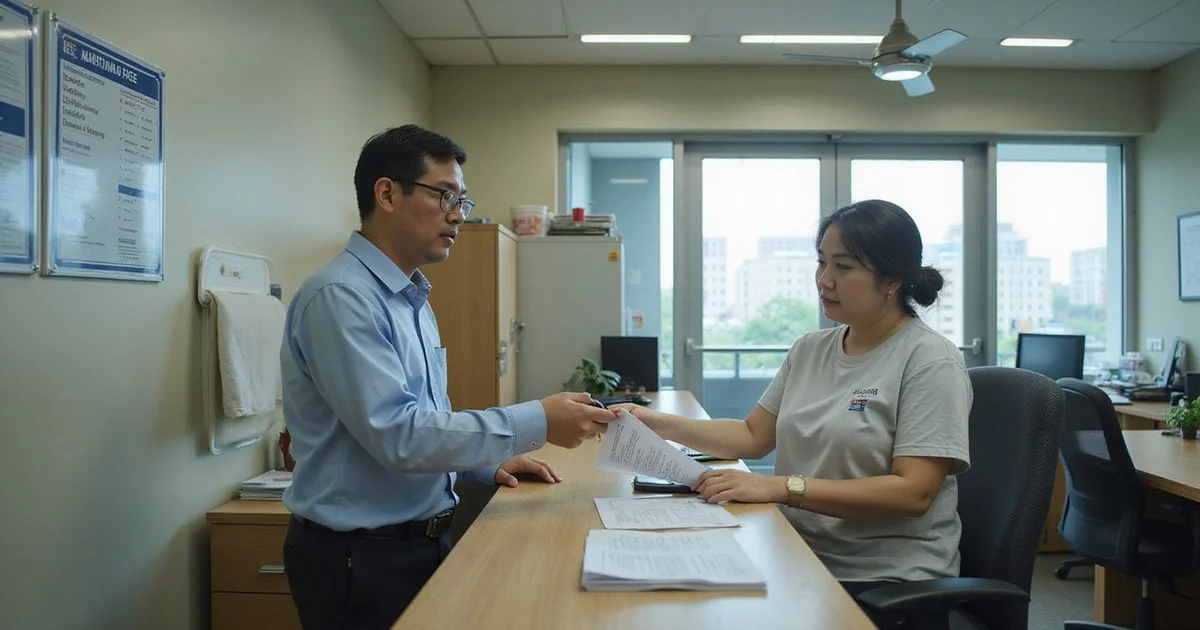
Every condo or serviced residence in Petaling Jaya charges a monthly maintenance fee plus a sinking fund contribution, set by the management corporation or the developer before handover. Whether you are buying, renting, or just trying to understand a listing, it helps to know how that number gets built.
How the fee is usually calculated
Maintenance fees are almost always charged per square foot of the unit, multiplied by a rate that reflects the building’s facilities tier.
| Facilities level | Typical rate (RM per sq ft per month) | What it usually funds |
|---|---|---|
| Basic (minimal facilities) | 0.20 - 0.25 | Security, lift servicing, basic cleaning |
| Standard condo (pool, gym, guarded parking) | 0.30 - 0.40 | The above plus pool and gym upkeep |
| High facilities (multiple pools, courts) | 0.40 - 0.50 | The above plus grounds staff and more amenities |
| Luxury / concierge buildings | 0.50 - 0.65+ | Concierge staffing, extensive landscaping, higher service standards |
For a 1,000 sq ft unit, that spans roughly RM200 a month in a basic building to RM600 or more in a luxury development, before the sinking fund portion is added.
What the fee should actually cover
Maintenance fees fund the day-to-day running of shared property: security staff wages, lift servicing contracts, cleaning of common areas, landscaping, and utilities for shared spaces like the lobby and pool. The sinking fund is different: it is a reserve, usually 10 percent of the maintenance collection by regulation, set aside for major capital works like repainting, lift replacement, or roof repairs that come up every several years rather than monthly.
Signs a building under-collects
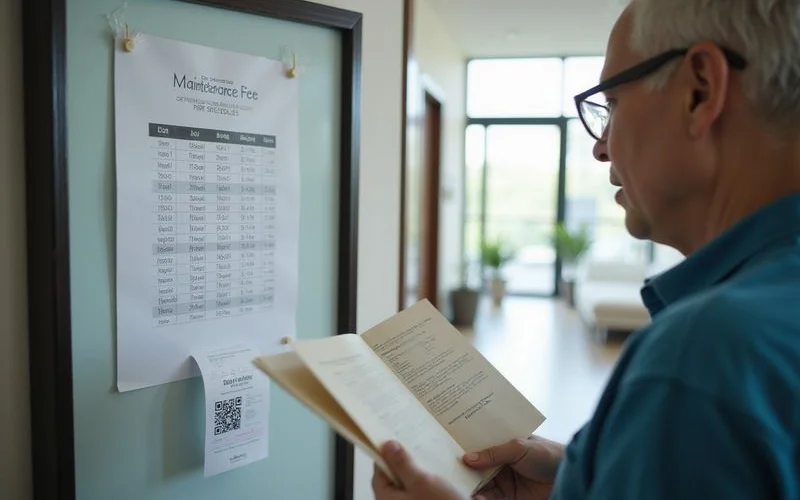
A maintenance fee that looks unusually low for the facilities on offer is not always good news. Buildings that under-collect relative to their upkeep needs often show it in slow elevator repairs, patchy landscaping, or a sinking fund too thin to cover the next major repair without a special one-off levy on all owners. Recurring complaints about aging facilities or repeatedly broken lifts are frequently tied back to a management corporation that has kept fees artificially low for years and is now catching up.
Questions worth asking before committing to a building
Ask for the latest audited accounts or fee schedule from the management office, whether there have been any recent or planned special levies (an extra one-off charge beyond the regular fee), and how the sinking fund balance compares to the building’s age and any upcoming major works. A management corporation that shares this information readily is usually also the kind that answers day-to-day maintenance requests promptly.
You can browse condominiums in Petaling Jaya on this site and compare facilities and sentiment scores across buildings, and see how those scores are calculated in our scoring methodology.
Special levies: the extra charge nobody wants
If the sinking fund cannot cover a major repair, roof waterproofing, lift replacement, or facade work are common examples, the management corporation can call an extra one-off charge on all owners known as a special levy. This is billed to owners, not tenants directly, but a building with a recent history of special levies is one worth asking more questions about, since it often points to years of the maintenance fee being set too low for the building’s actual needs.
How this connects to rent for tenants
Tenants do not pay maintenance fees directly, but the cost still shapes the deal indirectly: a landlord facing rising maintenance fees or a recent special levy may push for a higher rent at renewal to offset it. Asking about the building’s fee history and any recent levies during your original viewing gives you a sense of whether future rent increases are likely to track above or below the general market.
The bigger picture
A lower headline rent on a unit with a struggling maintenance fund is not necessarily a better deal than a slightly pricier unit in a well-run building. Ask about the fee and what it funds as seriously as you ask about the rent itself, since the two are connected more often than listings make obvious. If you are still comparing unit types, the full directory covers every apartment segment in Petaling Jaya, not just condos.
FAQ
- Who pays maintenance fees, the landlord or the tenant?
- The registered owner is legally responsible for maintenance and sinking fund fees; some landlords fold this cost into a higher rent instead of billing the tenant directly, but the tenant is rarely billed by the management corporation directly.
- Why do maintenance fees vary so much between buildings of similar size?
- Facilities level is the main driver: a building with multiple pools, a gym, and 24-hour concierge costs more per square foot to run than one with a single pool and a guardhouse.
- What is a sinking fund and why is it separate from maintenance?
- The sinking fund is a reserve for major, infrequent expenses like repainting the facade or replacing lifts. It is meant to be untouched for day-to-day running costs, which is what the maintenance portion covers.
- Can maintenance fees increase during a lease?
- Yes, the management corporation can raise fees, usually through an annual general meeting vote, and this can affect a landlord's costs mid-lease even though the tenant's rent stays fixed.
Related on this site
- Browse condominiums providers
- Best condominiums in Petaling Jaya →
- What to expect on move-in day at a Petaling Jaya condo
- House rules and by-laws in Petaling Jaya condominiums
- Elevator and utility breakdowns in Petaling Jaya condos: what residents should know
- What it really costs to rent an apartment in Petaling Jaya
- All guides →