How to view and shortlist apartments in Petaling Jaya
By Janice · Updated 2026-06-21
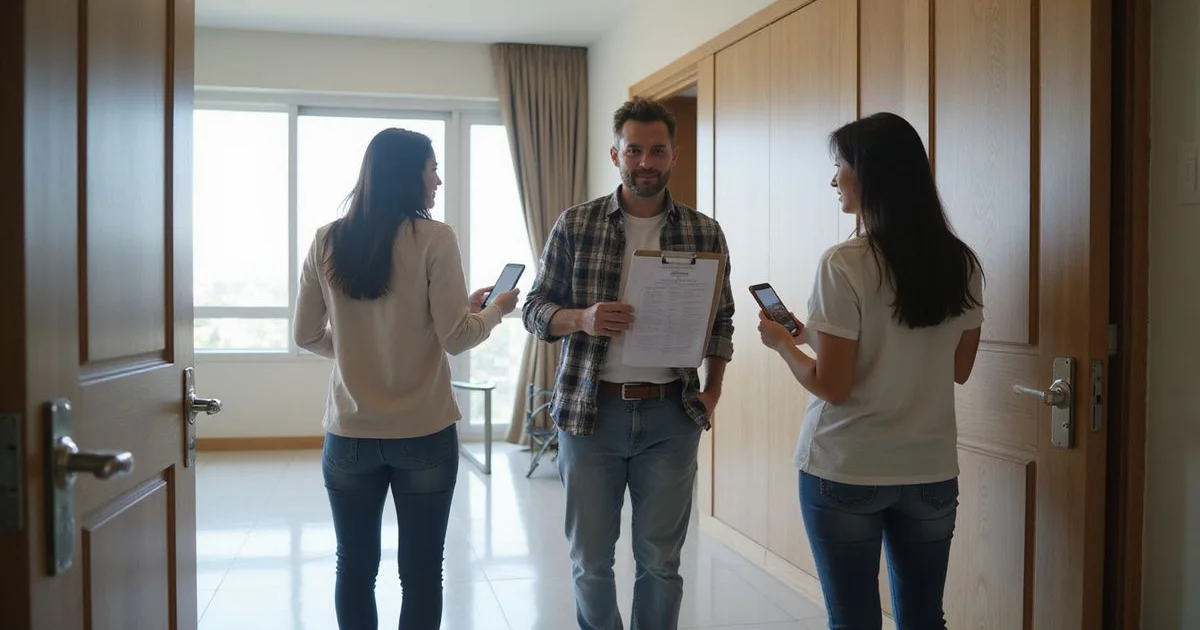
Apartment hunting in Petaling Jaya usually starts with a long list of online listings and ends with a much shorter shortlist after a handful of viewings. Having a process for that narrowing keeps you from either rushing into the first decent unit or burning weeks comparing everything.
Step 1: set your non-negotiables before browsing
Write down your hard limits first: maximum rent, minimum bedrooms, and whether you need a specific facility such as covered parking or a pet-friendly building. Deciding this before you start scrolling listings stops “nice to have” units from crowding out ones that actually fit. If you are still weighing a standard condo against a serviced residence, settle that question first too; our guide on serviced residence vs condo living in Petaling Jaya walks through the trade-offs.
Step 2: build a first-pass list from listings and photos
Pull together 10 to 15 candidates that meet your non-negotiables. At this stage, photos and floor plans are enough to filter. Cross off anything where the photos look dated or the listing is vague about facilities and fees, since that vagueness usually carries through to the viewing.
Step 3: shortlist to 4-6 before booking viewings
Rank your first-pass list by rent, location, and building age, then book viewings for the top four to six. Booking too many viewings in one week leads to fatigue and units blurring together; spacing them over one or two weekends keeps your judgment sharp.
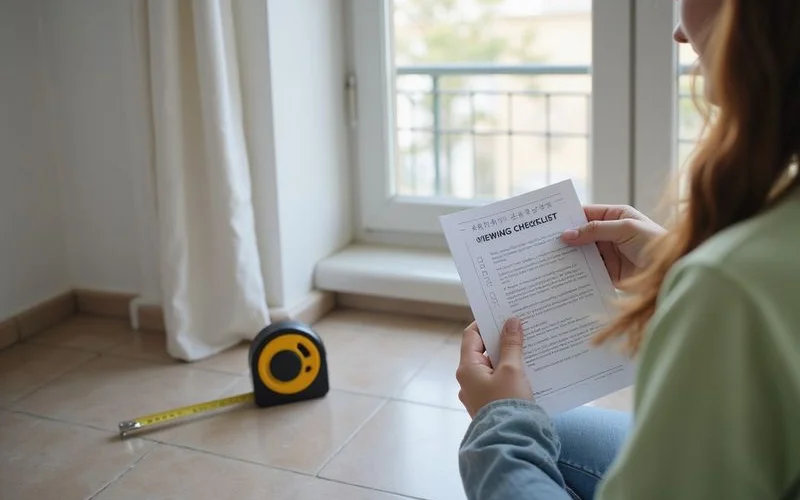
Step 4: run the viewing with a checklist, not a vibe
A good viewing is systematic. Check water pressure in the bathroom, test light switches, look for damp patches near windows and air-conditioning units, and ask directly about maintenance fee amounts and what they cover. Walk the common areas too: a lobby and pool deck that look neglected on viewing day usually stay that way. Buildings that residents describe as having clean common areas and responsive management tend to hold their value as a place to actually live, not just a photo.
| Check during viewing | Why it matters |
|---|---|
| Water pressure and drainage | Cheap to check now, expensive to discover after moving in |
| Mobile signal in the unit | Some high-rise units have dead spots, especially in corner rooms |
| Lift wait time at peak hours | A recurring complaint in older buildings is slow or overcrowded lifts |
| Visitor parking availability | Matters if you host guests regularly |
| Noise from neighbouring units or roads | Walls and windows vary a lot even within one building |
Step 5: compare shortlisted units side by side
After viewings, write down rent, deposit terms, facilities, and your gut impression for each unit while the details are still fresh. A same-day comparison note is far more reliable than trying to remember five viewings a week later.
You can also browse our directory of apartment complexes in Petaling Jaya to cross-check a building’s sentiment score against what you saw in person, and see how those scores are built in our scoring methodology.
Step 6: make the call and move quickly
Once you have a clear front-runner, do not sit on it too long. Good units in popular areas rent quickly, and a week of hesitation can mean losing the unit to another applicant. If two units are close, default to the one with the better management track record: rent is one number, but a landlord or management office that responds to problems saves you far more stress over a year-long lease.
Viewing with someone else
Bringing a second person along to viewings, a partner, a friend, or a family member, tends to surface details you would miss on your own, since two people notice different things in the same room. It also helps on the comparison step: talking through impressions with someone else right after a viewing often reveals whether your first reaction was about the unit itself or just about being tired after a long day of appointments.
What to do if nothing on your shortlist works out
Occasionally, none of your first four to six viewings feel right, and that is a normal outcome, not a sign you are being too picky. Go back to step 2 with an adjusted first-pass list: loosen one non-negotiable slightly, widen the search radius, or reconsider a unit type you initially ruled out. A second round of viewings, informed by what did not work the first time, is usually faster than the first because you now know more specifically what you are looking for.
FAQ
- How many units should I view before deciding?
- Three to five is usually enough to spot patterns in pricing and quality. Viewing more than eight or nine tends to blur units together rather than sharpen the decision.
- Should I view in the day or evening?
- Both if you can manage it. Daytime shows natural light and heat build-up; an evening visit shows parking availability, noise from neighbours, and how well common areas are lit.
- What should I bring to a viewing?
- A phone for photos and video, a small tape measure for furniture planning, and a written list of questions so you don't forget to ask about maintenance fees or parking bays.
- Is it normal to negotiate after a viewing?
- Yes. Most landlords expect some back and forth on rent, move-in date, or minor repairs before signing.