Fire safety and emergency exits in Petaling Jaya high-rises
By Janice · Updated 2026-07-07
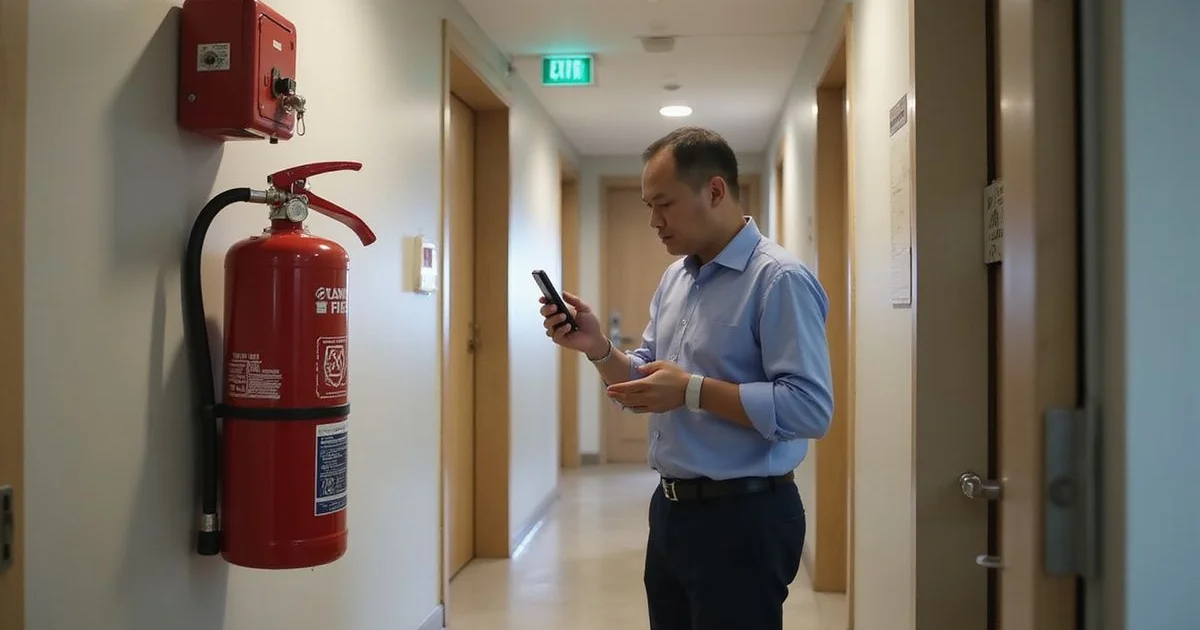
Fire safety in a high-rise apartment is not something most residents think about until they need it. A few checks when you move in, and a bit of ongoing awareness, make a real difference if an emergency ever happens.
What to check when you move in
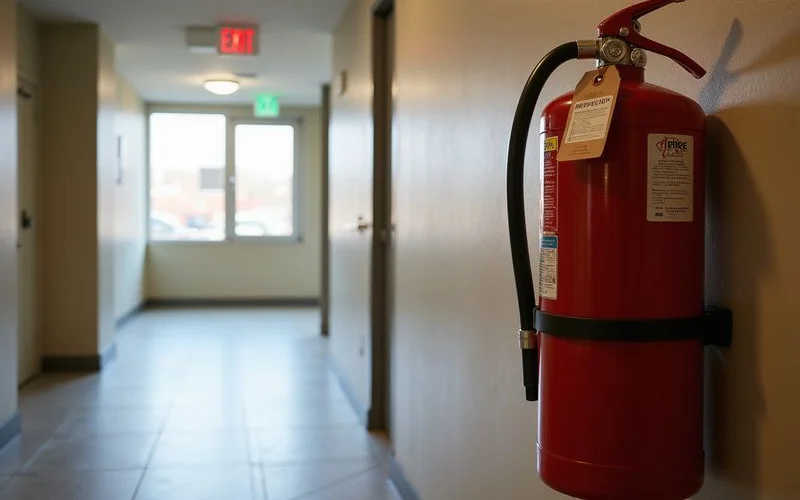
Locate both staircases nearest your unit, not just the one you use daily, since the closer one may be blocked or inaccessible in an emergency. Note the fire assembly point signage in the compound and check that fire extinguishers and hose reels on your floor have a visible, current inspection tag. If any of this is missing or the tags are expired, it is worth raising with the management office directly.
Common fire safety features in Petaling Jaya condos
| Feature | What to look for |
|---|---|
| Fire extinguishers | Current inspection tag, unobstructed access |
| Smoke detectors in common areas and units | Functioning, not disconnected or covered |
| Fire doors on stairwells | Self-closing, not propped open or blocked |
| Emergency lighting | Working in stairwells and corridors, tested periodically |
| Fire assembly point | Clearly marked in the compound, away from the building itself |
Building-level responsibility versus resident responsibility
The management corporation is responsible for maintaining fire safety equipment, conducting periodic checks, and keeping the building’s fire certificate compliance up to date. Residents are responsible for not creating hazards inside their own units or in shared corridors: overloaded power sockets, blocked fire doors, and items stored in stairwells are common, avoidable risks that individual residents create. A building with an actively maintained fire system still depends on residents not undoing that work with a stack of bicycles in the stairwell.
What to do during an actual fire alarm
Take every alarm seriously rather than assuming it is a false alarm or a drill, use the stairs and never the lift, and proceed calmly to the designated assembly point rather than your own vehicle or car park. If you smell smoke or see fire before an alarm sounds, alert your floor and the management office or security desk immediately rather than waiting to confirm it yourself.
Questions worth asking before you sign a lease
Ask the management office how recently the building’s fire safety systems were inspected, whether fire drills are conducted and how often, and whether there have been any past incidents residents should know about. A management office that answers these questions clearly and without hesitation is generally a good sign about how seriously the building takes fire safety more broadly.
Browse security and gated community living in Petaling Jaya on this site to compare buildings on safety-related sentiment scores, or explore the full directory for other unit types. Our scoring methodology explains how those scores are calculated.
A simple home fire safety kit
Beyond what the building provides, a basic kit in your own unit, a smoke detector for the unit itself if one is not already installed, a torch kept somewhere easy to find in the dark, and a spare key or access card stored with a trusted neighbour, covers most of what you would need in a fast-moving situation. None of it is expensive, and setting it up once in your first week means you are not scrambling to figure it out during an actual emergency.
If you have mobility concerns or live with someone who does
Ask the management office in advance how the building supports residents who cannot use the stairs during an emergency, some have designated refuge floors or assign staff to assist during an evacuation. Knowing this plan before an emergency happens, rather than during one, matters most for households with elderly residents, young children, or anyone with a mobility limitation.
Fire safety inside your own unit
Beyond the building’s shared systems, a few habits inside your own unit matter too: avoid overloading power sockets with multiple adapters, keep a clear path to your door free of stored items, and consider keeping a small fire blanket or extinguisher in the kitchen if you cook frequently. These are inexpensive precautions that address the most common causes of unit-level fires, electrical faults and unattended cooking, rather than relying solely on the building’s response.
The habit that matters most
Most fire safety in an apartment comes down to a handful of habits: knowing your exits, not blocking stairwells, and taking every alarm seriously. None of it requires special equipment, just a bit of attention in the first week after you move in.
Fire risk is not the only building-wide issue worth checking before you sign: recurring pest problems are another sign of how well a building is maintained; see our guide on pest problems in Petaling Jaya apartments.
FAQ
- How do I know if a building's fire safety equipment is up to date?
- Look for a visible, current inspection tag on fire extinguishers and hose reels; the management office should also have records of the building's last fire safety audit if you ask.
- What should I do the first week I move into a high-rise unit?
- Locate the nearest two staircases (not just the one closest to your unit), check the assembly point signage, and note where fire extinguishers are on your floor.
- Are fire drills mandatory for condos in Malaysia?
- Buildings are generally expected to conduct periodic fire safety exercises as part of their fire certificate compliance; ask the management office how often the building runs one.
- What is the biggest fire safety mistake residents make?
- Using the lift during a fire alarm, or blocking stairwells and fire doors with bicycles, shoes, or storage items, both of which are common and both of which put everyone at risk.