Mould, humidity and damp in Petaling Jaya apartments: prevention and fixes
By Janice · Updated 2026-07-05
This is general information, not medical advice. If you have ongoing respiratory symptoms you suspect are related to mould exposure, see a doctor.
Petaling Jaya’s humid, tropical climate makes mould and damp a recurring issue in apartment living, especially in units with limited ventilation or an unresolved leak. Understanding the cause usually matters more than the cleaning product you reach for.
Why it happens here specifically
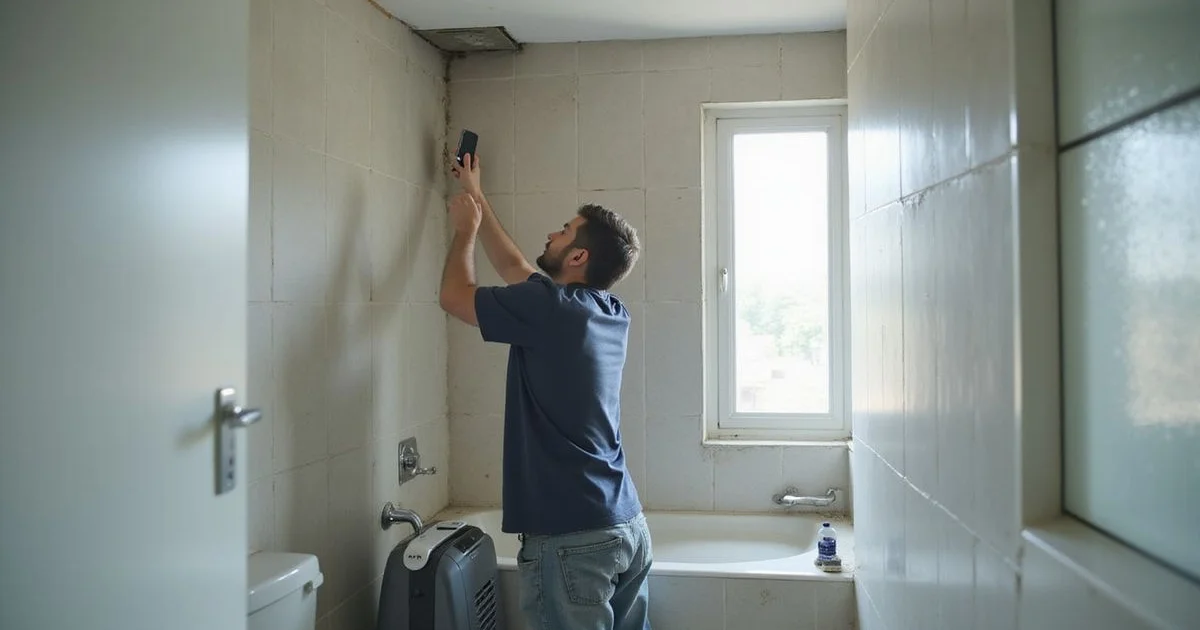
High ambient humidity combined with air-conditioned interiors creates condensation on cooler surfaces, walls, window frames, and ceilings, particularly where airflow is limited. Bathrooms and kitchens are the most common trouble spots because they generate the most moisture day to day, but any wall facing prevailing rain or backing onto poorly sealed plumbing is also at risk.
Common causes and what fixes them
| Cause | What usually fixes it |
|---|---|
| Poor ventilation in bathroom/kitchen | Run exhaust fans during and after use, keep windows open when possible |
| Condensation on air-conditioning units | Regular servicing and cleaning of the unit and drip tray |
| A hidden leak in plumbing or the roof | Needs a proper repair, not just surface cleaning; report to landlord or management |
| Furniture pushed flush against exterior walls | Leave a small gap to allow airflow behind large furniture |
| Wet laundry dried indoors without ventilation | Dry laundry near a window or use a dehumidifier |
When it is your responsibility versus the landlord’s
If mould traces back to a structural cause, a leak, poor waterproofing, or a building defect, that repair responsibility sits with the landlord or management corporation. If it is linked to daily habits inside the unit, drying laundry indoors with sealed windows, never using the bathroom exhaust fan, that is harder to pin on the building and worth raising as a shared problem to solve rather than a dispute to win.
Prevention that makes the biggest difference
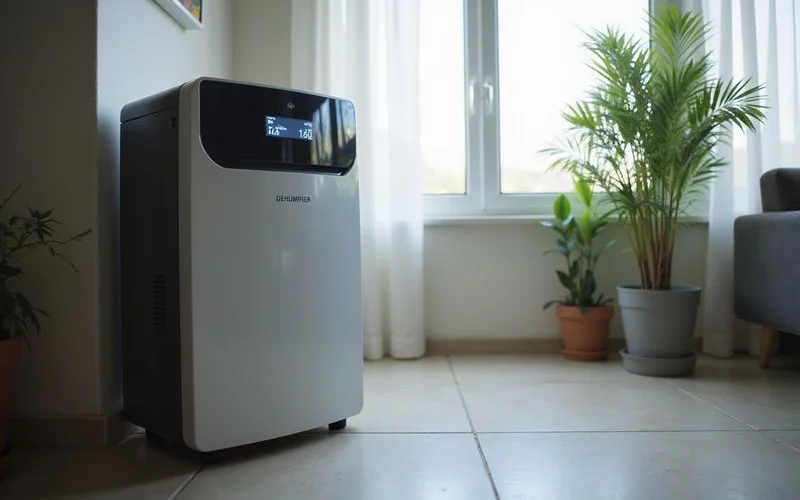
Run bathroom and kitchen exhaust fans during and for a while after use, open windows for a period each day when weather allows, and consider a dehumidifier for a persistently damp room, particularly ones with limited airflow. Wipe down visible condensation on windows and window sills regularly rather than letting moisture sit, and leave a small gap between large furniture and exterior walls to keep air moving behind them.
Dealing with an existing patch
Small surface mould on tiles or grout can usually be cleaned with a diluted bleach solution or a dedicated mould cleaner, with gloves and good ventilation while you work. If mould keeps returning in the same spot despite cleaning, that is a signal of an underlying moisture source that needs investigating rather than repeated surface treatment. Persistent or widespread mould, especially on porous surfaces like drywall or fabric, is worth reporting to your landlord or management office rather than managing indefinitely on your own.
Browse apartment complexes in Petaling Jaya on this site, including how buildings score on maintenance and upkeep, and see our scoring methodology for how those scores are calculated.
Furniture and belongings in a humid climate
Leather goods, books, and some fabrics are especially prone to mildew in a persistently humid unit. Storing these away from exterior walls, using silica gel packs in cupboards, and airing out wardrobes periodically all help protect belongings even in a unit that is otherwise well ventilated. This matters more in ground-floor or corner units, which tend to run more humid than higher, more exposed floors.
Checking for mould before you rent a unit
During a viewing, look behind furniture that has likely sat against exterior walls, check ceiling corners in bathrooms, and ask directly whether the unit has had any past water leak or mould issue. A landlord or agent being evasive about this question is worth noting, since a unit with a history of repeated mould problems is more likely to have an unresolved structural cause than a one-off issue.
Persistent damp is not the only sign of poor upkeep worth checking for; recurring pest activity is another, and our guide on pest problems in Petaling Jaya apartments covers what to look out for.
The takeaway
Mould in a humid climate is common, not a sign that a unit is badly built. What matters is catching the underlying moisture cause early and acting on it, rather than treating it as a purely cosmetic problem to wipe away each week.
FAQ
- Why does mould keep coming back even after I clean it?
- Cleaning the surface mould without fixing the underlying moisture source, poor ventilation, a leak, or condensation, means it almost always returns within weeks.
- Is mould in a rented apartment the landlord's responsibility?
- If it stems from a structural issue like a leak or poor waterproofing, yes. If it is caused by the tenant's own ventilation habits, such as never opening windows or running a dryer without ventilation, responsibility is less clear-cut and worth discussing directly.
- Can mould exposure actually affect health?
- Prolonged exposure to some mould types can trigger respiratory irritation or allergy symptoms in sensitive individuals; if you have ongoing symptoms, see a doctor rather than trying to self-diagnose from the mould's appearance.
- What rooms in an apartment are most prone to mould?
- Bathrooms, kitchens, and any wall backing onto an air-conditioning unit or facing prevailing rain tend to be the highest-risk areas, especially with limited window ventilation.