Pest problems in Petaling Jaya apartments: causes and fixes
By Janice · Updated 2026-07-02
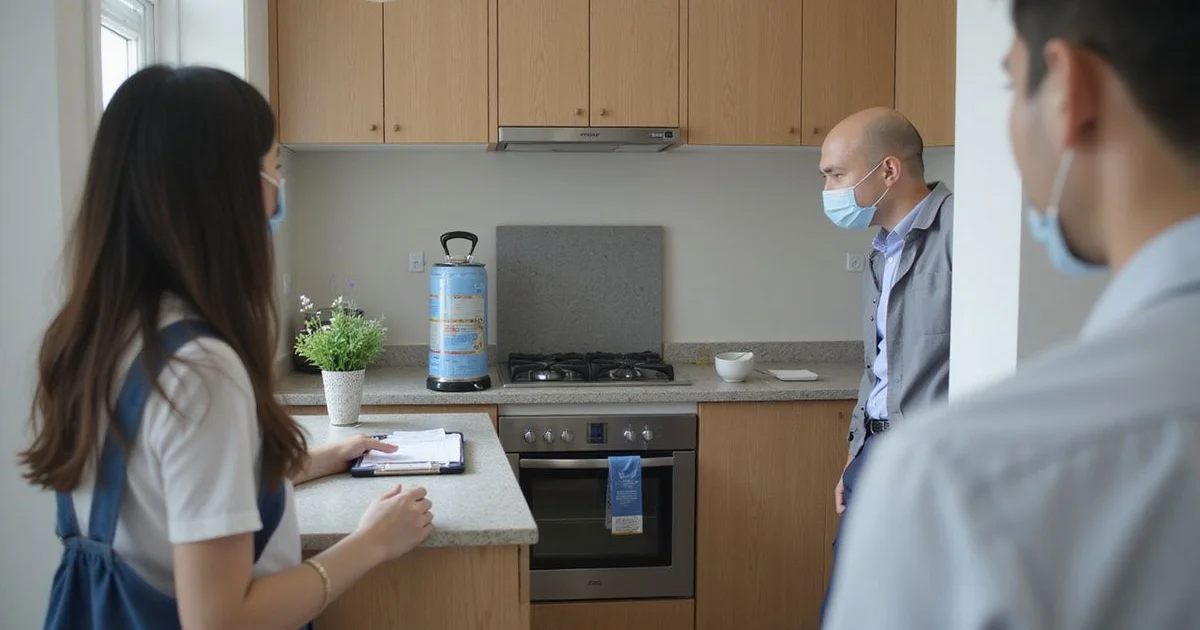
This is general information, not a substitute for advice from a licensed pest control professional for a serious or ongoing infestation.
Pest issues come up often enough in Petaling Jaya apartment living, particularly around waste disposal areas and older plumbing, that it is worth understanding before it becomes a surprise.
Why apartments are prone to pests
Tropical humidity, shared waste disposal chutes and bin areas, and ageing plumbing in older buildings all create conditions pests thrive in. High-rise living also means a pest problem in one unit or a poorly managed common area can spread to neighbouring units through shared walls, pipes, and rubbish chutes, which is why building-wide management matters as much as what happens inside your own four walls.
Common pests and what usually causes them
| Pest | Typical cause |
|---|---|
| Cockroaches | Food residue, damp areas, gaps around pipes and drains |
| Ants | Food left out, sweet residue, small entry gaps around windows |
| Mosquitoes | Standing water in drains, plant pots, or air-conditioning units |
| Rodents | Poor waste management in common areas, gaps around service ducts |
Whose responsibility is it
Tenancy agreements generally place responsibility for a pre-existing infestation on the landlord, since that is a condition of the unit at handover. Ongoing prevention, keeping food sealed, taking out rubbish regularly, is usually the tenant’s responsibility. For issues linked to common areas, shared waste rooms, drains, or building-wide plumbing, the management corporation is responsible, and this is where a well-run building matters most.
Prevention that actually works
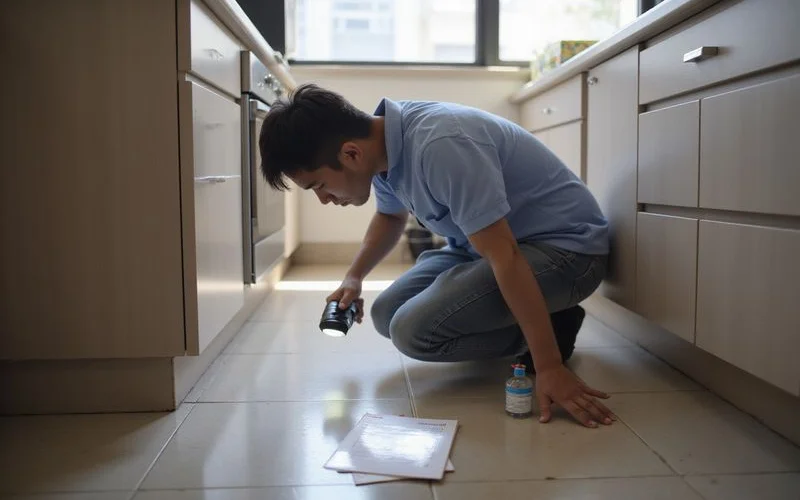
Seal gaps around pipes and skirting boards, store food in sealed containers rather than open packaging, take rubbish out daily rather than letting it sit, and check that window and door seals are intact. For mosquitoes specifically, clear standing water from plant saucers, air-conditioning drip trays, and any blocked drains near your unit, since these breed far more mosquitoes than most residents expect.
Persistent condensation around those same pipes and units often points to a mould risk too; our guide on mould, humidity and damp in Petaling Jaya apartments covers that side of things.
What good buildings do differently
Buildings where residents report fewer pest issues tend to have consistent, scheduled pest control for common areas and waste rooms rather than only reacting after complaints pile up. If you are evaluating a building before signing a lease, asking the management office how often common areas receive pest treatment is a reasonable question, and a vague or evasive answer is worth noting.
When to call in a professional
Sealing gaps and better housekeeping resolve most minor issues within a week or two. If a problem persists beyond that, is recurring, or involves a larger pest like rodents, a licensed pest control service is the more reliable route than repeated DIY treatments, and for a rented unit this conversation should start with your landlord or the management office rather than being handled entirely on your own.
Browse apartment complexes in Petaling Jaya on this site to see how buildings are scored, including on maintenance and upkeep, and check our scoring methodology for how those scores are put together.
Reporting an issue properly
When you do report a pest problem, note where you have seen activity, at what time of day, and how long it has been going on. This detail helps a pest control technician target the treatment rather than spraying generally, and it also gives the management office a clearer record if the same issue keeps recurring across multiple units, which can point to a shared source like a waste chute or drainage line.
What to expect from a professional treatment
A typical pest control visit involves an inspection, targeted treatment of affected areas, and sometimes a follow-up visit two to four weeks later to confirm the issue has cleared. Ask whether the treatment used is safe around children or pets and how long to stay out of a treated room, since this varies by product and by pest type.
The bottom line
A pest issue is rarely a reason to panic, but it is worth acting on quickly and knowing whether it is your responsibility or the building’s before you spend money on a fix that was never yours to pay for.
FAQ
- Who is responsible for pest control in a rented apartment: the landlord or the tenant?
- This depends on the tenancy agreement, but landlords are generally responsible for pre-existing infestations, while ongoing prevention (keeping the unit clean, sealing food) usually falls on the tenant.
- Are pest issues common in older buildings only?
- They show up more often in older buildings with ageing plumbing and shared waste areas, but newer buildings are not immune, especially if common area waste management is poorly managed.
- Should I report a pest problem to my landlord or the management office?
- Report it to your landlord first for issues inside your unit; report to the management office for problems in common areas, waste rooms, or affecting multiple units.
- What is the fastest way to deal with a cockroach or ant problem?
- Sealing food sources and entry points around pipes and windows resolves most minor issues; a persistent or recurring problem usually needs a professional pest control visit rather than DIY sprays alone.